


The AI Gold Rush Inside Microsoft
Artificial intelligence has become the most competitive battlefield in the technology industry.
Microsoft has invested billions into
OpenAI
to position itself as a leader in AI infrastructure and AI tools.
This partnership allowed Microsoft to integrate advanced AI capabilities across its entire ecosystem.
AI now appears inside:
- Windows operating system
- Office productivity tools
- Azure cloud services
- Developer platforms
- Search tools and assistants
The goal is simple. Microsoft wants to lead the next generation of computing powered by AI.
But rapid expansion introduces complexity.
Every new AI feature requires integration with existing systems. That means more code, more dependencies, and more potential failure points.
When companies push innovation across multiple products at once, quality control becomes extremely difficult.
This is where the first signs of strain begin to appear.
When Updates Break the Internet
Software updates are supposed to improve systems. They should add features, fix bugs, and strengthen security.
But sometimes updates do the opposite.
Several recent Windows updates caused unexpected problems for users. Some reported broken network connections. Others experienced system instability or compatibility issues.
In certain cases, updates temporarily disrupted internet access.
For individual users, this is frustrating. For businesses, it can be extremely expensive.
Modern organizations rely heavily on stable software environments. Even short interruptions can impact productivity, customer service, and operations.
Large companies expect reliability from enterprise software vendors.
When updates start breaking essential functionality, trust begins to weaken.
GitHub Reliability Concerns Are Growing
Developers depend heavily on
GitHub.
It is the central hub for modern software development. Millions of repositories, collaborative projects, and open-source initiatives live there.
GitHub is not just a platform. It is part of the global developer infrastructure.
When outages occur, developers feel the impact immediately.
Some engineers have recently reported increased service disruptions, slower performance, and intermittent platform instability.
Even small outages can delay builds, interrupt deployment pipelines, and block team collaboration.
Developers expect tools like GitHub to remain extremely stable.
If reliability drops, frustration rises quickly within the developer community.
The Hidden Conflict: AI vs Developer Platforms
There is another interesting dynamic happening inside Microsoft’s ecosystem.
AI coding tools are improving rapidly.
These tools can now generate code, suggest improvements, and automate routine development tasks.
That innovation sounds positive. But it also introduces a potential conflict.
Developer platforms such as version control systems rely on human collaboration. They depend on teams writing, reviewing, and managing code manually.
If AI tools start automating large portions of coding work, the role of traditional developer platforms could change dramatically.
Ironically, the AI systems Microsoft promotes today could eventually compete with parts of its own developer ecosystem.
Technology history shows that disruption often comes from unexpected places.
Sometimes even from inside the same company.
The Quality Crisis Nobody Wants to Talk About
Software quality rarely makes headlines.
New features get attention. Innovation gets praise. But stability issues often stay hidden until they affect users.
Many long-time developers have noticed a shift across the industry.
Software releases appear faster than ever. Update cycles are shorter. Features arrive continuously.
But speed sometimes replaces careful engineering.
When development teams rush releases, several problems emerge:
- Bugs increase
- Testing becomes limited
- Technical debt grows
- Complexity expands rapidly
Even large organizations struggle when systems become too complex.
Microsoft still has thousands of talented engineers. But even the best teams face limits when product ecosystems grow too large and move too quickly.
Why Power Users Are Looking at Linux Again
For years, many developers used Windows primarily for compatibility reasons.
But today, an interesting trend is returning.
More technical users are exploring
Linux
as an alternative operating system.
Linux offers several advantages for power users:
- High system stability
- Full control over updates
- Open-source transparency
- Minimal forced features
Many developers also prefer environments where they can customize every component of the system.
When operating systems start adding features that users cannot disable, frustration grows.
This does not mean Windows will disappear.
However, even small shifts in developer preferences can influence long-term ecosystem trends.
The Problem With Forcing AI Into Everything
Artificial intelligence can be extremely useful.
AI can automate repetitive tasks. It can analyze large datasets. It can assist developers and professionals across industries.
But AI works best when it solves real problems.
When companies push AI features everywhere, users may start to feel overwhelmed.
Some common complaints include:
- AI assistants appearing in every application
- Automated suggestions interrupting workflows
- Search results dominated by AI summaries
- Increased system resource usage
Users often prefer software that feels simple and predictable.
AI should enhance productivity, not complicate everyday tasks.
The difference between helpful automation and unnecessary complexity can determine whether users embrace new technology.
The 12 Warning Signs of Microsoft’s Software Crisis
Several trends suggest that Microsoft’s ecosystem is experiencing growing pressure.
These signals do not mean the company is failing. But they highlight potential risks that deserve attention.
Here are twelve warning signs that industry observers are discussing.
- Increasingly unstable software updates
- Forced AI integration in core products
- Growing developer complaints about reliability
- Rising complexity across the Windows ecosystem
- More bugs appearing after updates
- Heavy focus on AI features over stability
- Over-automation of development tools
- Developers exploring alternative platforms
- Growing dependency on AI infrastructure
- Security risks from complex integrations
- Conflicts within Microsoft’s own product ecosystem
- Declining confidence among power users
These trends may seem small individually. But together they create a broader pattern.
And patterns often reveal the direction of an industry.
Why OpenAI Could Become Microsoft’s Biggest Internal Threat
Microsoft’s investment in OpenAI is one of the largest technology partnerships in recent history.
The collaboration accelerated Microsoft’s position in artificial intelligence.
But partnerships also evolve over time.
As AI technology advances, powerful AI systems could reshape how people interact with software entirely.
Future AI platforms might:
- Replace traditional software interfaces
- Automate large portions of development
- Reduce dependence on operating systems
- Transform how applications are built and deployed
If AI becomes the primary interface for computing, traditional software ecosystems could change dramatically.
This does not mean Microsoft will lose its position.
But the long-term impact of AI may reshape the entire technology landscape in ways nobody fully predicts yet.
Lessons From 25 Years in the Software Industry
Technology history repeats certain patterns.
Companies innovate rapidly. Markets shift. New platforms emerge.
But one principle remains constant.
Reliability builds trust.
Developers trust platforms that remain stable. Businesses trust software that performs consistently.
When products become unpredictable, even loyal users start exploring alternatives.
After decades in software development, many engineers share the same belief.
Innovation matters.
But stability matters even more.
The companies that succeed long-term are those that balance both.
The Future: Can Microsoft Fix the Damage?
Despite current concerns, Microsoft remains one of the strongest technology companies in the world.
The company still has enormous advantages:
- world-class engineering teams
- massive global infrastructure
- deep enterprise relationships
- one of the largest developer ecosystems
These strengths give Microsoft the ability to correct course if necessary.
The real challenge is maintaining balance.
Artificial intelligence will shape the future of computing. That reality is unavoidable.
But the companies that win the AI race will not only innovate quickly.
They will also deliver systems that users trust every day.
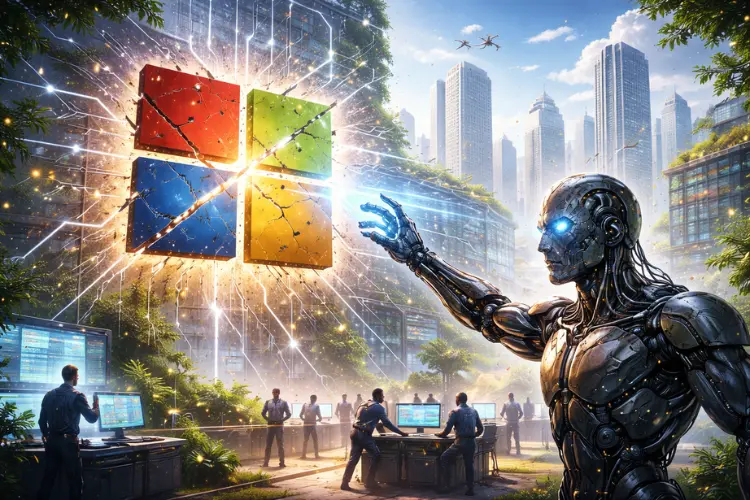
Conclusion: The Real Risk Is Losing Developer Trust
Technology empires rarely collapse overnight.
They decline slowly when ecosystems lose trust.
Developers form the backbone of every major platform. Their tools shape the future of software. Their preferences influence entire industries.
If developers begin to question platform stability, the long-term impact can be significant.
Microsoft still has the resources to lead the next era of computing. But leadership in technology requires more than innovation.
It requires reliability, transparency, and long-term vision.
Companies must build systems that developers trust and businesses depend on.
This is where experienced leadership becomes valuable. Organizations increasingly rely on strategic technology guidance from experts such as a fractional CTO who can evaluate infrastructure decisions, manage complex digital ecosystems, and guide companies through rapid technology shifts like AI integration.
In a world where software complexity grows every year, strong technical leadership helps companies avoid costly mistakes.
At Startuphakk, we continue to analyze these industry shifts and share insights that help founders, developers, and businesses understand where technology is heading next.


